
Potty training is one of the biggest milestones in early childhood - and let's be honest, it's a stage most parents can't wait to get through! Saying goodbye to diapers is a dream, but getting there can sometimes feel like an uphill battle. If you're about to embark on this adventure, know this: every child is different, and there's no one-size-fits-all approach.
At Bam & Stitch, we know that parenting is a journey filled with trial and error, and potty training is no different. To help make the transition from diapers to big-kid undies as smooth as possible, we're sharing our best tips for getting started. Take a deep breath - you've got this!
1. Watch for Signs of Readiness
While the average potty training age is between 2 to 3 years old, every child develops at their own pace. Instead of focusing on a number, look for these five signs to see if your little one is ready:
- Staying Dry Longer - If your toddler's diapers stay dry for at least two hours at a time, their bladder control is improving.
- Predictable Poops - If they tend to go at the same time each day, you can use that routine to introduce the potty.
- Showing Interest - Do they ask about the potty? Enjoy potty-themed books? Want to wear underwear? Remember, you're looking for curiosity!
- Disliking Dirty Diapers - If they start pulling at or removing a wet or dirty diaper, they're recognizing discomfort and may be ready for a change.
- Announcing When They Go - If they're telling you they just peed or pooped, they're beginning to understand their body's signals - an important step in potty training success!

2. Make Big-Kid Undies a Big Deal
Ditching diapers is a huge milestone, so celebrate it! Take your toddler shopping for new underwear and let them pick out their favorite colors or prints. Sensory-friendly fabrics are a must - if undies feel too scratchy or tight, your little one may resist the switch.
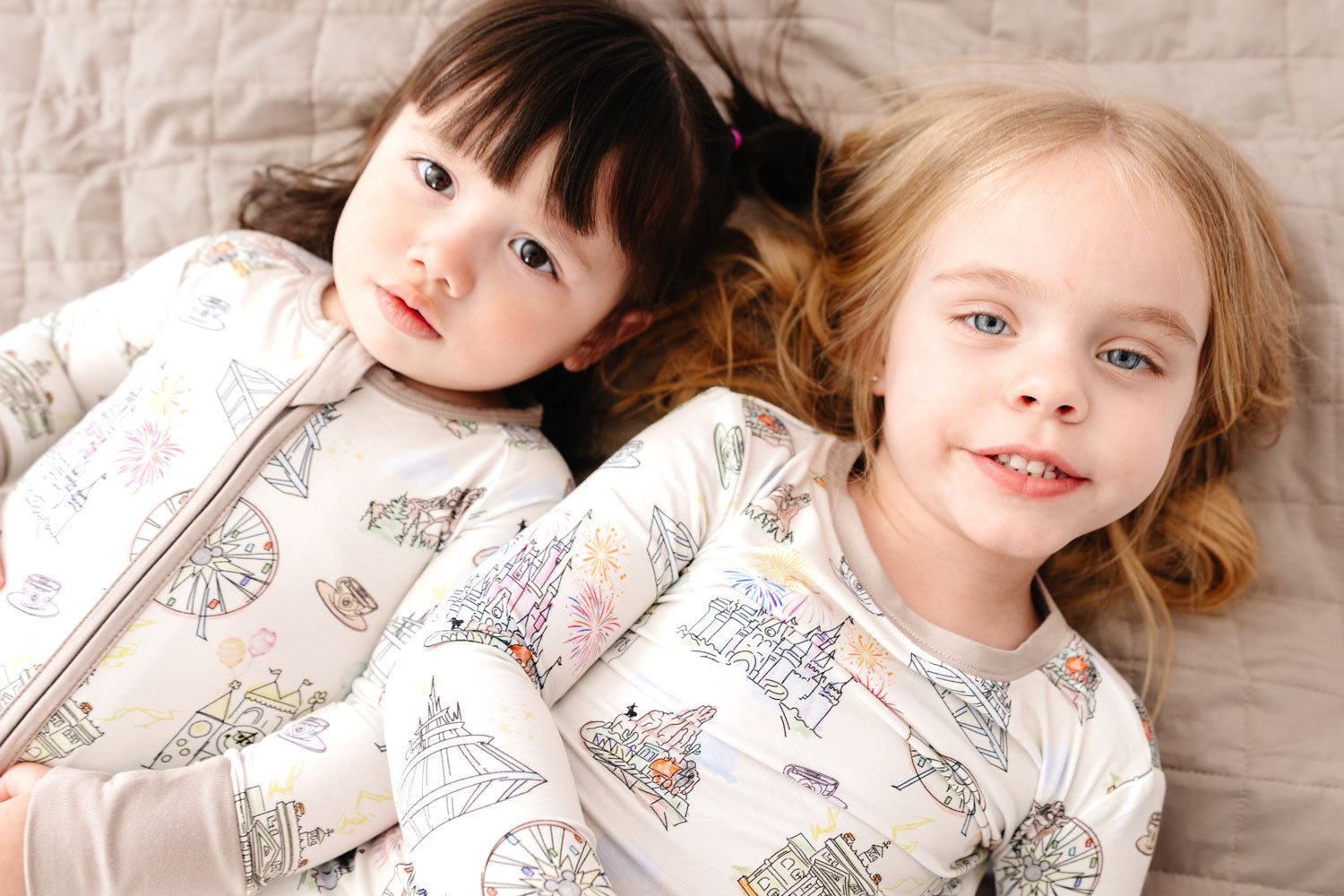
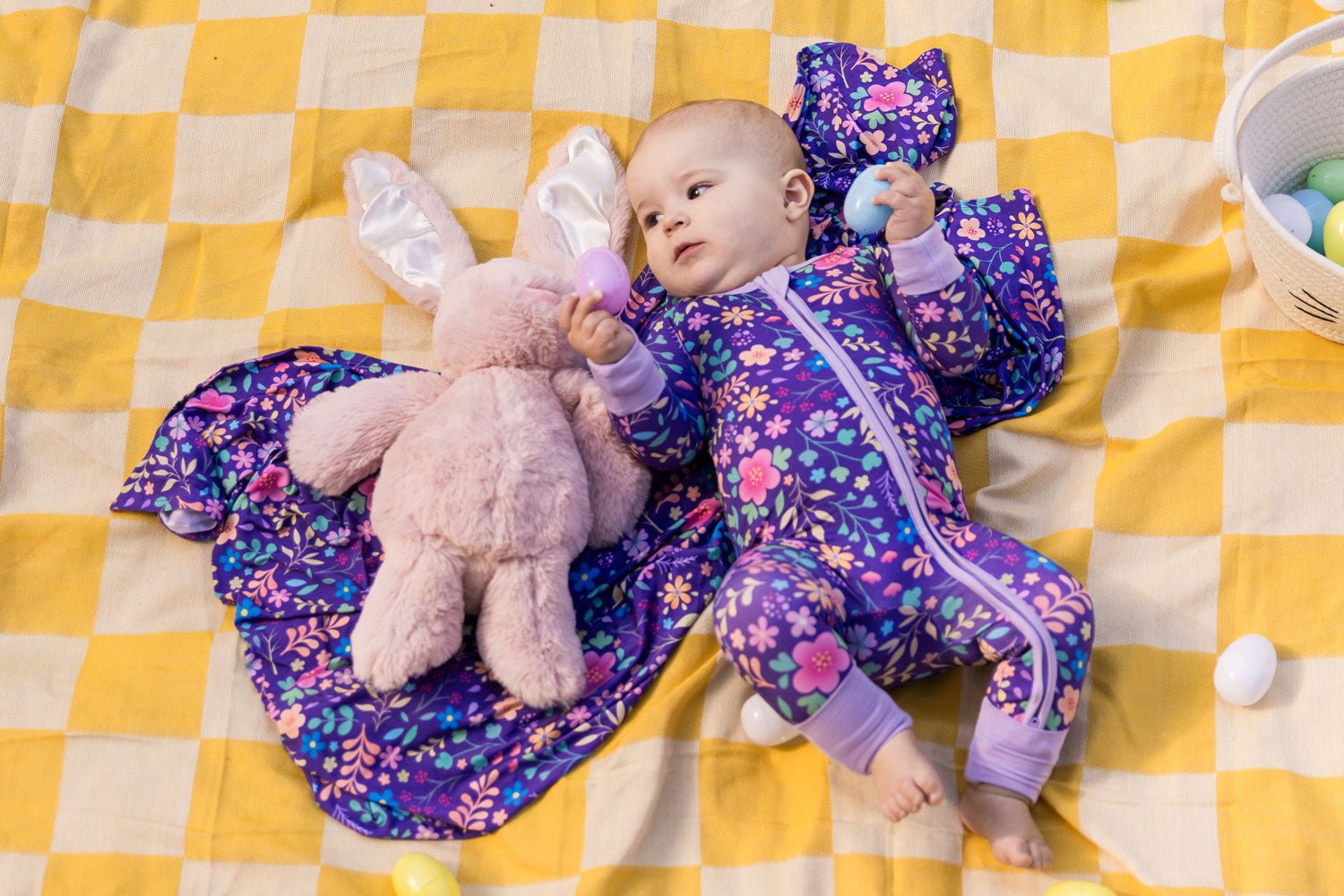
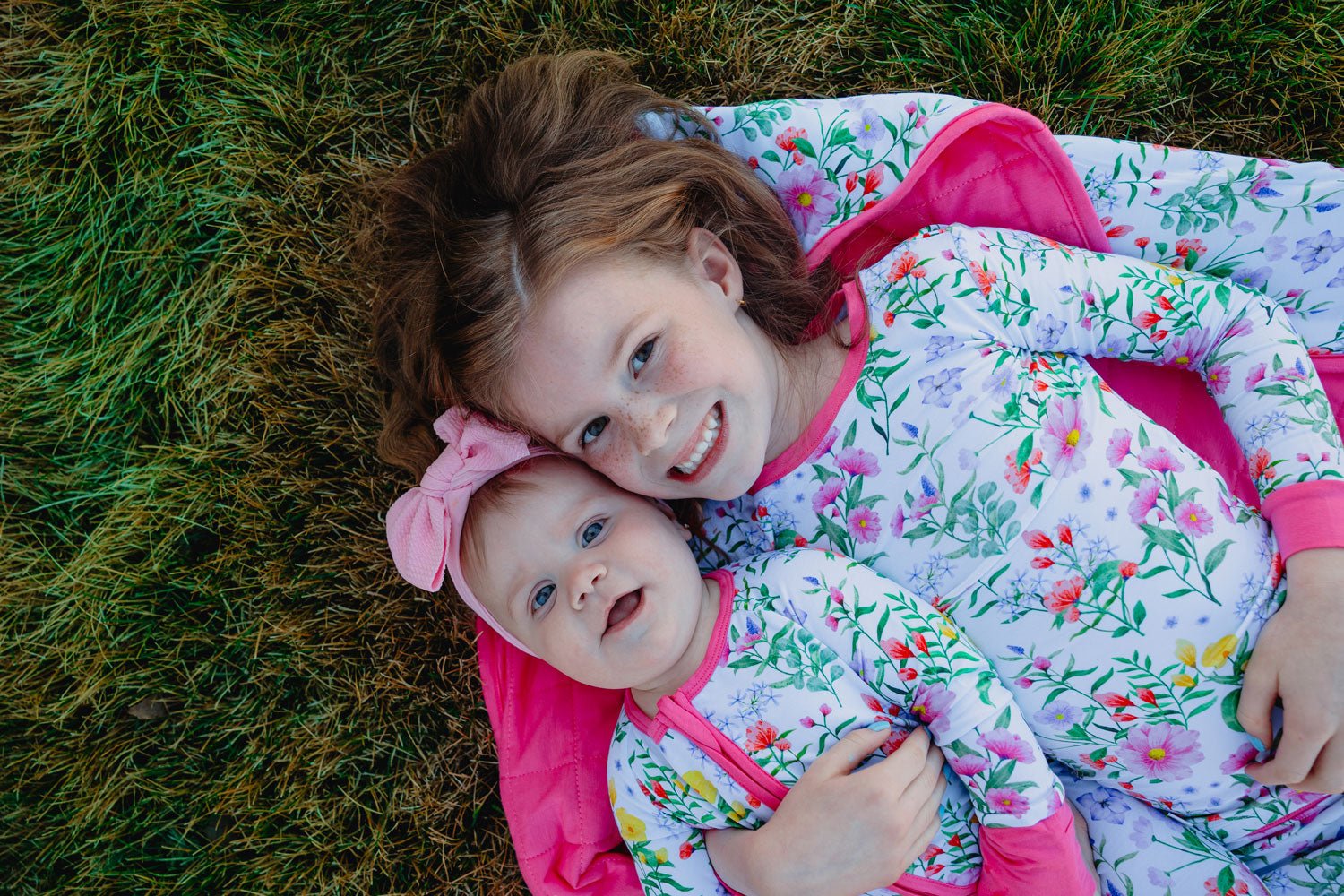
Our Playfully Strong and Farm Fresh Pajama Sets are made from ultra-soft, breathable bamboo fabric that keeps little ones comfy day and night. If you're looking for something even snugglier for post-bath lounging, kick things up a notch with the Orchid Gardens PJ Sets - perfect for cozy evenings after potty practice!
3. Let Them Choose Their Potty Seat
Give your child a sense of ownership by letting them pick out their own potty. There are so many options out there - standalone training potties, toilet seat inserts, step stools, even travel potties. Choosing their own makes the experience feel special and exciting!
If your little one loves being independent, a seat ladder that attaches to the toilet might be a great a option. If they prefer something low to the ground, a small potty chair in their favorite color might encourage them to sit and try.
4. Introduce Diaper-Free Time
One of the best ways to transition out of diapers is to let your toddler spend time without them. Go commando or have them wear their new underwear for short periods throughout the day. Accidents will happen, but that's all part of the learning process!
Try placing a potty nearby during this time so they can quickly get to it when they need to go. Encourage them to sit on it at regular intervals, especially when they usually go (like right after meals).
5. Stick to a Potty Schedule
At the beginning, take your toddler to the potty every 20-30 minutes, even if they don't seem like they need to go. This helps reinforce the habit and gives them plenty of chances to practice. Over time, you'll start noticing patterns - maybe they need to go 30 minutes after snack time or right before a nap.
As they get more comfortable, you can stretch the intervals longer, and eventually, they'll start letting you know when they need to go.


6. Make It Fun & Positive
Potty training can be frustrating, but keeping things lighthearted will make the process so much easier for both of you. Try using:
- A Reward Chart - Stickers, stars, or small prizes can make potty time more exciting.
- Lots of Praise - Cheer them on! A simple "Wow! You did it!" goes a long way.
- Books & Songs - Fun potty-themed books or silly potty songs can help make the experience less stressful.
Most importantly, stay patient. Some days will be smooth, and others will be messy (literally), but consistency and encouragement are key!
7. Expect Setbacks & Nighttime Accidents
Even after a toddler is daytime trained, nighttime potty training is a whole different ball game. Many children aren't fully dry overnight until ages 4 or 5, and that's completely normal! If you're not ready to deal with middle-of-the-night accidents, keep your little one in a diaper or training pants at night for now.
It's also common for toddlers to have accidents during the day, especially if they're busy playing and forget to go. Instead of getting frustrated, reassure them that it's okay and remind them to use the potty next time.
Remember: No child goes to kindergarten in diapers! Potty training is a temporary phase, and with patience, your little one will get there.
Final Thoughts
Potty training is a huge milestone, but it doesn't have to be a stressful one. By watching for signs of readiness, keeping things fun, and making sure your child is comfortable, you can set them up for success.
At Bam & Stitch, we know that little moments - like picking out their first big-kid undies or celebrating their first potty victory, are what make parenting so special. No matter where you are in the journey, know that you're doing amazing!
Looking for comfy, potty-training-friendly pajamas? Check out our Bamboo Baby Collections! After all, your little one deserves softness and comfort every step of the way.

Made by Moms, For Moms.
At Bam & Stitch we're dedicated to creating clothing as soft, playful, and resilient as the little ones who wear them.

Share:
How to Celebrate Valentine's Day with the Family
Creating a Calming Bedtime Routine for Babies & Toddlers