
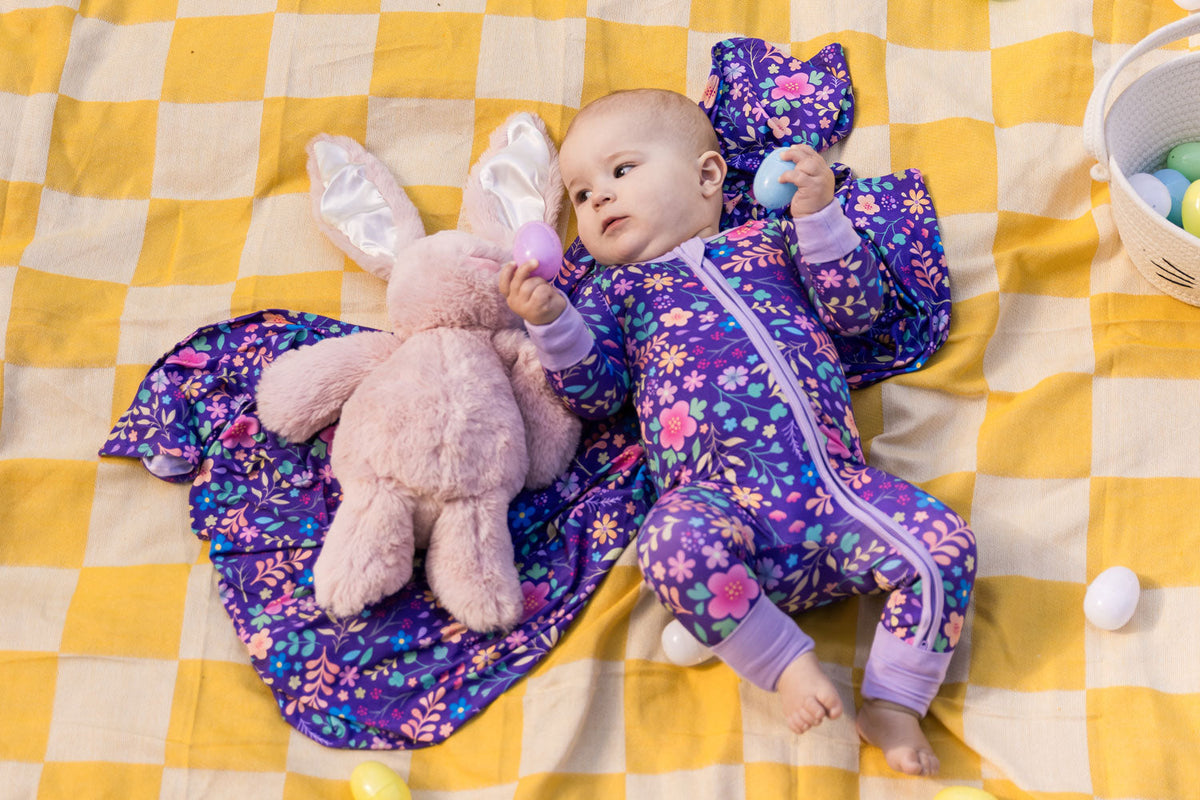
If you have ever looked at your child in a fresh pair of PJs and thought, "why are kids pajamas so tight?" you are not overthinking it. Many kids pajamas are designed to fit snugly on purpose, and that snug feeling can be extra noticeable if you are used to looser daytime clothes.
The goal is simple: safe, cozy sleepwear that stays in place all night. The trick is knowing the difference between "snug and fine" and "too tight, we need a different size or style."
Before you do anything else, start here: our Sizing Guide. It's the fastest way to check what size fits your kiddo by height and weight, especially if they're in between sizes.
Table of Contents
Why Snug Fit Pajamas Exist (and What That Means for Comfort)
A lot of children's sleepwear is built around U.S. safety rules that focus on flammability. Brands typically meet those standards by making sleepwear either flame-resistant or tight-fitting (snug fit). That's why you often see snug fit language on tags.
What Snug Fit is Supposed to Feel Like
- Close to the body, but not restrictive.
- Easy movement at bedtime (arms up, knees bent, climbing into bed)
- Fabric that stays put instead of twisting and riding up
What "Too Tight" Usually Looks Like
- Deep red marks that stick around after changing.
- Your child cannot squat, sit, or lift arms without the fabric pulling hard.
- Waistband digs in or leaves a strong line.
- Complaints like "it hurts" or "it's itchy" that do not stop after a minute or two.
If your child is comfortable and moving normally, snug is usually fine. If you seeing multiple tight spots at once (waist, thighs, cuffs, shoulders), that's when it is time to adjust the size or style.
Bamboo vs. Cotton: Why the Fit Feels Different

Here is the part that surprises most parents: two pajamas can be the same size and still feel completely different depending on the fabric.
Cotton Pajamas Tend to Feel
- More structured
- Less stretchy depending on the knit
- Sometimes roomier in the legs and arms because the fabric holds its shape
Bamboo Pajamas Tend to Feel
- Smoother and more "drapey"
- Stretchier, especially in areas like thighs, seat, elbows
- More fitted at first because the fabric hugs and moves with your child
If you find yourself switching from cotton to bamboo and immediately think "these are tight," a lot of that is the fabric's stretch and shape. Bamboo can look more fitted while still being comfortable because it flexes with movement.
If you are shopping bamboo two-piece sets, our Long Sleeve Pajamas are designed for that comfy snug fit. If you prefer a one-piece option with easy changes, our Convertible Rompers are a go-to.
When to Size Up (and When Not to)
This is the decision point most parents want, so here is a simple, mom-tested way to do it.
Step 1: Check the Chart First
Use the Sizing Guide and match your child’s height and weight as closely as possible.
Step 2: use the "Movement Test"
Put the pajamas on and ask your child to:
Reach both arms up
Sit cross-legged
Do one squat
Walk a few steps
If they can do all of that without the fabric pulling hard, you are likely in the right size.
Size Up If:
Your child is at the top of the height or weight range
The thighs or seat look like they are being stretched tight when they squat
The shoulders feel snug and sleeves pull when arms go up
You want extra room for growth and your child is between sizes
Do Not Size Up If:
The pajamas fit snugly but your child moves easily
The waistband sits comfortably without digging
Cuffs feel secure but do not leave deep marks
The fabric is not twisting, bunching, or riding up
One more quick tip: sizing up is helpful when the tightness is happening in multiple places. If the only thing you notice is that cuffs feel snug, the size may actually be correct.
How Cuffs and Ankles Should Fit

Cuffs are supposed to be snug. That is how sleeves and pant legs stay in place overnight. But there is a difference between “secure” and “too tight.”
Wrist Cuffs Should:
Sit flat against the skin
Stretch easily when you gently tug them
Leave only light marks that fade quickly (like a sock line)
Wrist Cuffs Should Not:
- Create deep indentations
- Leave marks that linger
- Make your child constantly tug at sleeves
Ankle Cuffs Should:
Stay down near the ankle (not halfway up the calf after five minutes)
Allow toes to point without the seam pulling
Feel comfortable when your child squats
Pro-Tip: Slide one finger under the cuff. You should be able to get it in comfortably. If you cannot, or your child complains right away, consider sizing up.
Shop the Routine
FAQ

Should I buy bamboo pajamas a size bigger?
Sometimes. Start with our Sizing Guide. If your child is at the top of the size range, or you notice tightness in more than one area (thighs plus shoulders plus waistband), sizing up is usually the right call. If the fit is snug but your child moves easily, stick with the charted size.
Do bamboo pajamas run big or small?
In general, bamboo pajamas often feel true to size, but they can feel more fitted than cotton because the fabric drapes and stretches differently. If you are between sizes, check the Sizing Guide and lean toward sizing up for comfort and longer wear.
Why are the cuffs tight?
Cuffs are designed to stay in place while kids sleep, which is why they can feel snug. Many snug fit pajamas are also designed that way for safety standards. If you want the official details, the CPSC sleepwear regulations overview and 16 CFR Part 1615 explain how “tight-fitting” is defined. If cuffs are the only snug spot and your child is comfortable, you are probably fine. If cuffs leave deep marks or your child complains, size up.
What if my child has chunky thighs?
You are not alone, and you do not need to force a fit. Start with the Sizing Guide and prioritize comfort in the seat and thighs. If two-piece sets feel tight in the legs, consider sizing up in Long Sleeve Pajamas or switching to a one-piece option like Convertible Rompers, which many parents love for flexibility and easy movement.
Can I use bamboo pajamas as daywear?
Yes, especially for slow mornings, daycare naps, and lounging at home. Just make sure your child can move freely and the fit feels comfortable for active play. If you want something that works for both sleep and cozy daywear, start with Long Sleeve Pajamas. For babies and toddlers who need quick changes, Convertible Rompers are the easy button.
How tight is too tight?
If your child has deep marks, restricted movement, or repeated complaints, it is too tight. If you are unsure, check height and weight against the Sizing Guide, then reassess with the movement test (arms up, squat, sit). Comfort wins every time.
So, What Should You Do Next?
If your kid's pajamas feel tight, it does not automatically mean you bought the wrong size. Many kids pajamas are meant to fit snugly, and bamboo can feel more fitted than cotton when it is comfortable.
Use the Sizing Guide, do the quick movement test, and focus on the areas that matter most: waist, thighs, shoulders, and cuffs. If your child is comfortable and moving normally, you are good. If multiple areas are pulling or leaving deep marks, size up or switch styles with confidence.
If you want a simple place to start, shop:

Made by Moms, For Moms.
At Bam & Stitch we're dedicated to creating clothing as soft, playful, and resilient as the little ones who wear them.
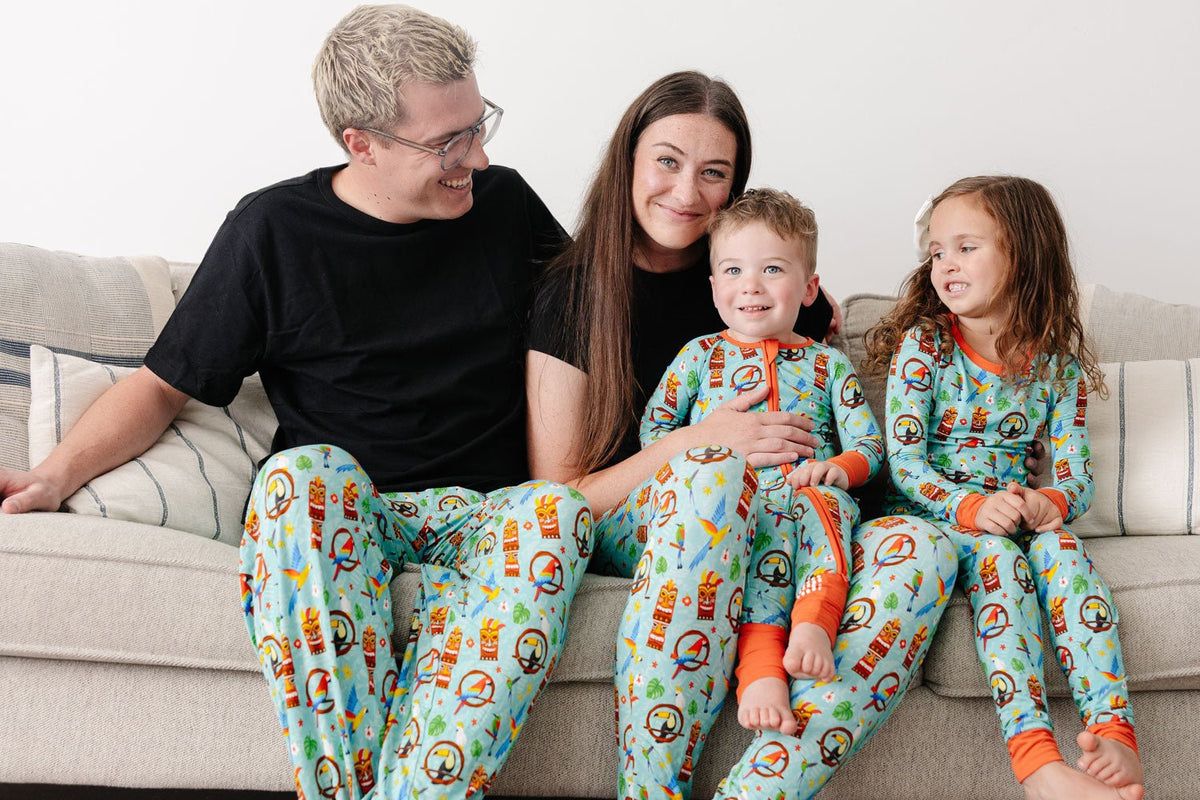
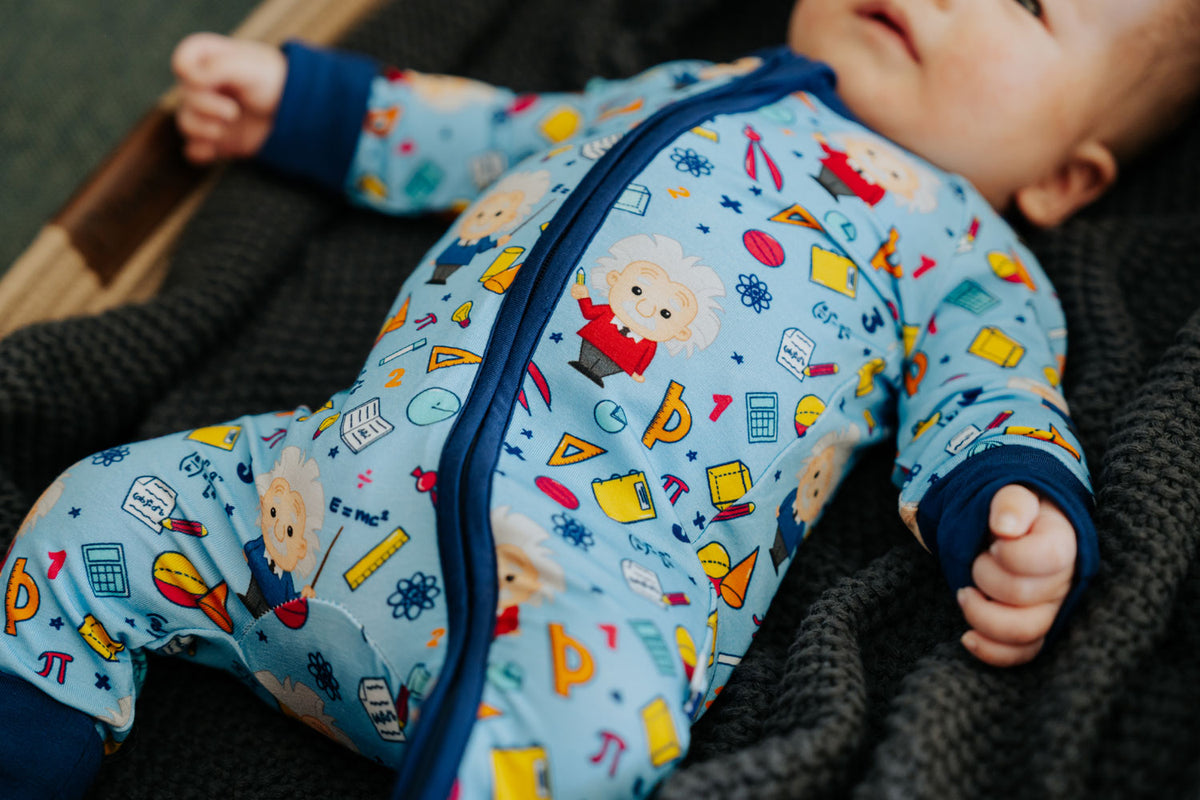
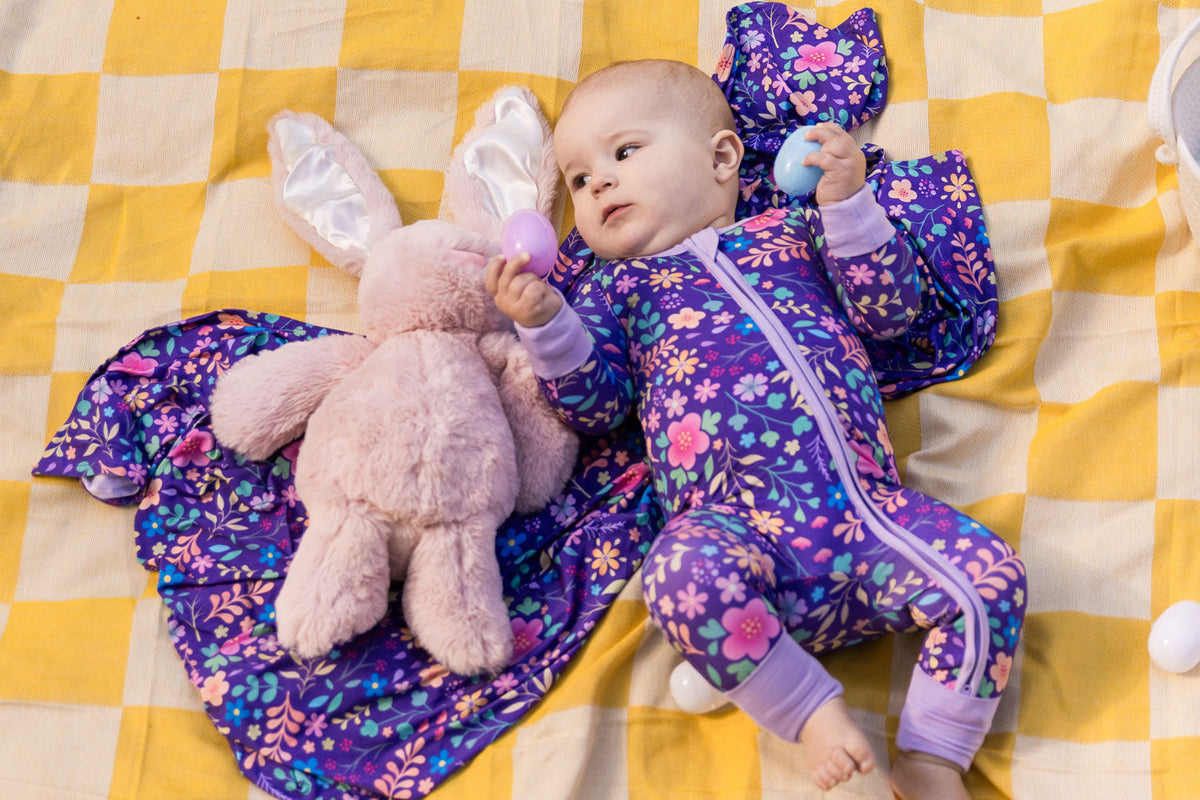
Share:
Why Floral Bamboo Pajamas Should Be More Than Pretty
How to Make Your Child's Bedtime Routine Feel More Magical