
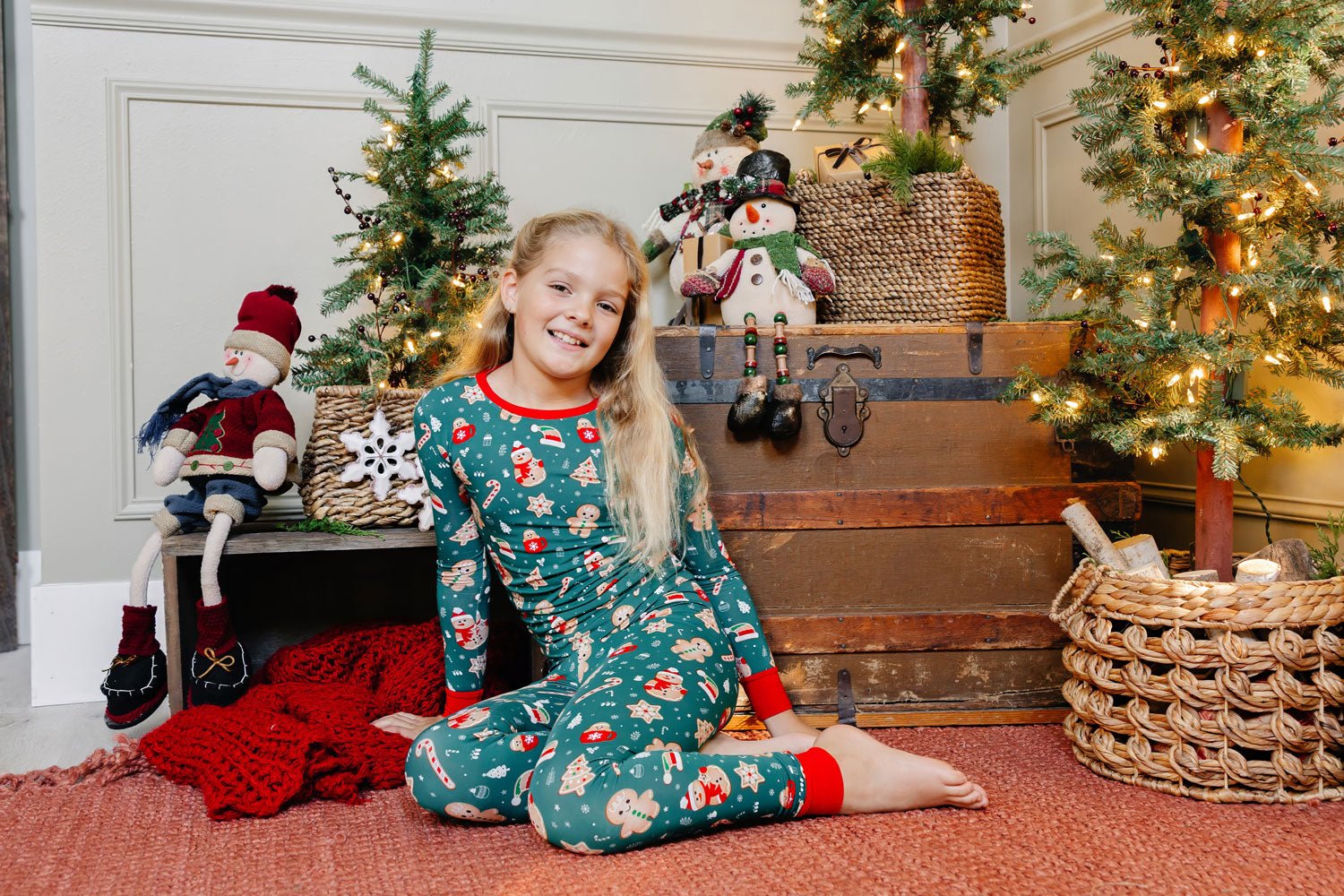
The holidays are full of wish lists and wrapping paper, but they’re also the perfect time to show kids what generosity looks like in real life. Giving back doesn’t have to be complicated or expensive; in fact, the most meaningful moments are often small, simple, and close to home.
If you’ve been wanting to build more kindness into your family traditions, here are 10 practical, kid-friendly ways to give back this holiday season. You can try one, a few, or all of them, and adapt each idea to fit your child’s age and your family’s budget.
1. Pick a Cause Together and Give as a Family
Let your kids see what giving looks like from the very beginning by inviting them into the decision-making process. When children help choose who your family supports, the act of giving feels personal and meaningful instead of abstract.
Instead of quietly making a donation on your own, sit down as a family and talk about who you’d like to help this year.
You might choose:
An organization that supports kids’ health or research
A group that provides food or diapers to families in need
A local nonprofit that helps animals, seniors, or unhoused neighbors
Show your child the organization’s website, explain in simple terms what they do, and decide on an amount together. If they have their own piggy bank, even letting them donate a few coins teaches a powerful lesson: what I have can help someone else. You can make this a yearly ritual and watch it become one of your family’s core holiday traditions.
2. Donate Essentials for Kids and Families
Holidays often spotlight toys, but many families are worrying about basics long before they think about gifts. Helping your child understand the importance of everyday essentials builds empathy in a very real, concrete way.
Explain that some parents are working hard but still struggle to afford diapers, warm clothes, or basic hygiene items. Then, together, see how your family can help fill that gap.
Check if local shelters, family resource centers, or nonprofits in your area accept:
- Diapers, pull-ups, and wipes
- New socks and underwear
- Pajamas and basic clothing
- Blankets and baby gear

Turn it into a “kindness errand” instead of just another shopping trip. Give your child a short list and let them pick patterns or colors they think another child would like. Dropping off the items together helps them connect the dots between what you bought and who it will support.
3. 'Tis the Season of Giving Toys

Toys are an easy entry point for kids to understand generosity, because they know exactly how special it feels to receive something fun. Donating a toy becomes more than charity; it becomes an act of sharing joy.
You can talk about how some kids may not have many presents to open this year, and how your family can help make their morning brighter. Then invite your child to be “Chief Toy Picker” for another kid.
You might:
- Let them choose a new, unwrapped toy for a local toy drive
- Set a simple house rule: for every new toy they receive, one gently used toy is donated
- Have sibling each pick one "favorite type" of toy to give (dolls, cars, books, puzzles)
As you shop, keep the conversation going. "Do you think another kid your age would be excited about this?" That simple question turns buying a toy into practicing empathy.
4. Support Hunger Relief
Food is at the center of so many holiday traditions, which makes this a powerful time to talk about families who don’t always have enough. Kids can easily grasp the idea that “everyone should have something good to eat,” especially when you connect it to their own meals.
Explain that some families worry about groceries instead of gifts, and that your family can help with that part. Then involve your child in choosing items that feel comforting and familiar.
You might:
- Let your child pick canned goods and pantry staples at the store
- Participate in a school, workplace, or neighborhood food drive
- Drop off a bag of groceries together at a local food bank
As you pack the items, talk about how these ingredients become dinners, lunches, and snacks for other kids. It keeps the idea grounded and real: you're not just dropping off cans, you're helping someone else have a full plate.

5. Create a "Family Giving Jar"
A giving jar turns generosity into a year-round habit instead of a once-a-year decision. It’s simple, visual, and very kid-friendly, which makes it easy to keep going even when life gets busy.
Set a jar or tin somewhere visible and give it a name like “Our Giving Jar” or “Family Kindness Fund.” Every time someone adds to it, you can remind your child, “This will help us help someone later.”
Throughout the season (or all year), add:
Loose change at the end of the day
A small portion of allowance or chore money
“Kindness coupons” your child earns (each coupon equals a small donation from the family)
When the jar is full or the holidays arrive, count it together and decide how to use it. Maybe it funds a toy for a toy drive, a donation to a charity, or grocery items for a family you know. The amount doesn’t matter as much as the rhythm of it: your child sees giving back as something your family simply does.
6. Volunteer Your Time (In Kid-Friendly Ways)
Money isn’t the only way to make a difference. Kids are naturally eager helpers, and involving them in age-appropriate acts of service teaches them that their time and energy are valuable too.
Traditional volunteering can be tricky with little ones, but there are still many ways to show up as a family, both out in the community and at home.
Depending on age and local options, you might:
Help pack holiday food boxes or hygiene kits as a family
Join a community clean-up day
Drop off cards or artwork at a nursing home or hospital
Make simple “thank you” notes for teachers, mail carriers, or healthcare workers
If in-person service isn’t possible, you can create your own “giving project” at home: packing care bags, making cards, or baking treats to deliver. Framing it as “we’re doing this to help someone have a better day” keeps the focus on kindness, not perfection.
7. Support Military Families or Service Members


The holidays can feel especially heavy for families separated by deployment, or for service members far from home. Supporting them is a powerful way to teach kids about gratitude and community beyond their immediate circle.
Start by explaining in simple terms that some parents can’t be home for the holidays because they’re working to help keep others safe. Then talk about how your family can help those families feel remembered and appreciated.
Kid-friendly ways to contribute include:
Drawing pictures or writing “thank you” notes for service members
Helping choose small comfort items (snacks, socks, treats) for care packages
Picking out a toy or gift card specifically for a child in a military family
For kids, it can be powerful to realize, “We’re helping someone we’ve never met, because everyone deserves to feel cared about.”
8. Be a Kind Neighbor
You don’t need an organization or a campaign to make a difference. Sometimes the most meaningful acts of generosity happen right on your street or in your building.
Talk with your child about people nearby who might appreciate a little extra kindness this season: an older neighbor, a busy single parent, or someone who just moved in. Then brainstorm small ways to help.
You might:
Bake cookies and deliver them with a handmade card
Offer to help shovel snow, rake leaves, or bring trash bins in and out
Drop off a simple “thinking of you” note and a small treat to someone who lives alone
Involving your kids in every step: mixing dough, drawing pictures, knocking on the door, helps them see generosity as part of everyday life, not a special event.
9. Host a Simple Family Fundraiser
Kids love having a “big job,” and a small family-led fundraiser gives them exactly that. It doesn’t need to be complicated or public; it can be as simple as inviting a few neighbors or family members to join in.
Explain that you’re going to raise money together to help a cause you care about, then let your child help pick the format. Keeping things light and fun is key.
A few ideas:
A hot cocoa stand instead of a lemonade stand
A mini bake sale at a holiday gathering or playdate
A “craft sale” where your child sells drawings or handmade ornaments to grandparents or neighbors
When you donate the money, show them how their effort turned into real support. That connection between “what we did” and “who it helped” is where the lesson sticks.
10. Choose Brands That Give Back

You’re probably shopping anyway this time of year, whether it’s for pajamas, toys, or stocking stuffers. One of the easiest ways to expand your impact is to support brands that donate a portion of profits or product to causes you believe in.
Even a quick explanation while you browse can shift your child’s perspective:
“These jammies keep you cozy and help support kids and families through a charity we care about. Our purchase is doing two good things at once.”
At Bam & Stitch, we’re passionate about comfort, connection, and community. Throughout the year we partner with all sorts of organizations making a difference for children and families, and your support helps us give more. Choosing gifts from brands that give back is a simple way to double the meaning behind the things you were already planning to buy.
Making Giving Part of Your Family History
You don’t have to try all ten ideas, and you definitely don’t need a perfect Pinterest-ready plan. Even choosing one simple way to give back this season can leave a lasting impression on your child and the people you help.
The goal isn’t to add pressure to an already busy season. It’s to weave generosity into the traditions you already enjoy: picking out a toy together, baking cookies, writing cards, or cozying up in matching pajamas that also support a good cause.
Years from now, your kids may not remember every gift they unwrapped. But they will remember how it felt to help, to share, and to be part of something bigger than themselves. And that’s a holiday tradition worth building!

Made by Moms, For Moms.
At Bam & Stitch we're dedicated to creating clothing as soft, playful, and resilient as the little ones who wear them.

Share:
Winter Attire for Kids: Simple Layering Tips to Keep Them Warm (Without the Overheating Drama)
Bam & Stitch 2025 Year in Review: Cozy Moments, Big Impact