

Diaper rash is one of those parenting plot twists. You're changing often, using the "good" wipes, doing all the things...and then you open a diaper and see bright red, angry skin anyway. If you're in that moment right now, take a breath. Diaper rash is incredibly common, and most of the time it clears up with a few simple, consistent steps.
This guide breaks down why diaper rash happens, how to prevent it, what actually helps it heal, and when it's time to loop in your pediatrician.
What is Diaper Rash?
Diaper rash is irritation of the skin in the diaper area (butt, genitals, inner thighs, and sometimes lower belly). It can look like:
- Pink or red patches
- Dry, chafed skin
- Small bumps
- Extra redness in skin folds
- Tenderness during changes
Why Diaper Rash Happens (Even with Great Hygiene)
Most diaper rash comes down to a "perfect storm" of:
1) Moisture (the biggest culprit)
A wet diaper softens skin, making it easier to break down. Even a "slightly damp" diaper can irritate over time.
2) Friction
Diapers rub. movement + rubbing + sensitive baby skin = irritation.
3) Irritants (pee + poop are intense)
Urine and stool change the skin's pH and can be irritating, especially after diarrhea or a tummy bug.
And then there are common add-ons that make diaper rash more likely:
- Sensitive skin reactions to wipes, fragrances, dyes, or certain diaper materials
- Teething and runny poops (yep, it's a thing)
- Solids starting (acidic foods can cause more irritating stools)
- Antibiotics (can increase risk of yeast overgrowth)
- Yeast thriving in warm, damp folds
None of this means you did anything wrong. It means diaper life is a humid, high-friction environment... and babies have brand-new skin.
The Best Daily Routine to Prevent Diaper Rash
If your baby tends to get red easily, prevention is your best friend. Here's what actually works:
Change Diapers More Often Than You Think
Aim for:
- Every 2 to 3 hours during the day (or sooner if poopy)
- Right after bowel movements
- Extra vigilance during rashes
If a rash is active, treat it like "skin recovery mode" and change even more frequently.
Clean Gently (Seriously, Gentle)
When you see redness, the instinct is to wipe harder to get "super clean." But that can make diaper rash worse.
Try this:
- Use fragrance-free wipes with a light touch
- Or switch to warm water + a soft cloth during flare-ups
- Pat try instead of rubbing
- Let the area air-dry for a moment before cream
Think: lift and blot, not scrub.
How to Treat Diaper Rash Fast
If your baby already has diaper rash, the goal is simple: protect the skin and keep it dry.
Step 1: Add a barrier every change
Barrier creams are not just for "fixing." They're armor.
Look for:
- Zinc oxide (great for active diaper rash)
- Petroleum-based ointments (great for protecting and preventing)
How to apply:
- Use a generous layer over irritated areas
- Don't worry about removing every bit of cream at the next change
- Reapply on top after gentle cleaning
A good rule: if you can still see the skin easily, you probably need a bit more.
Step 2: Air Time (the underrated magic)
Diaper-free time helps so much because it removes:
- Moisture
- Friction
- Trapped Heat
Easy version (laundry-friendly):
- Lay down a towel or washable pad
- Add a soft blanket on top
- Let baby kick around diaper-free for 10-20 minutes, 1-2 times a day
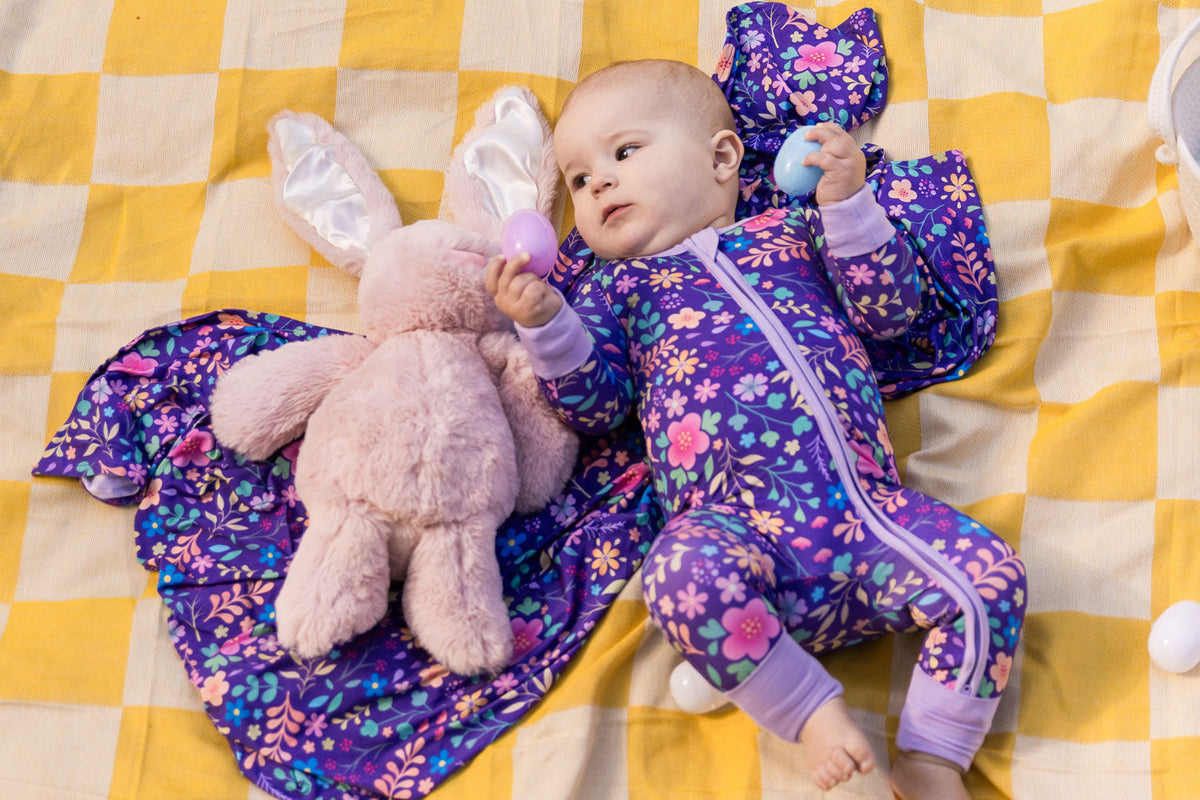
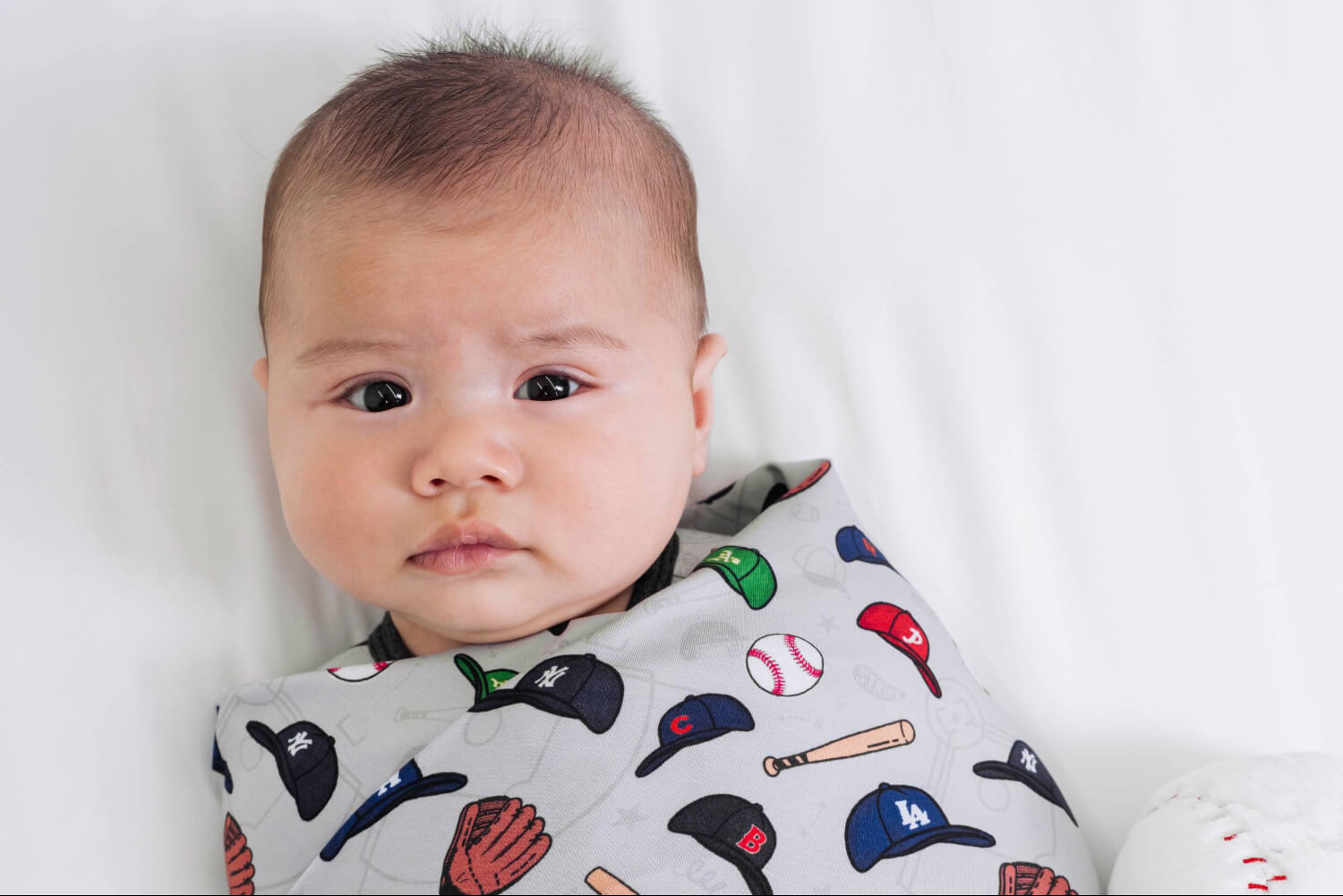
There is where soft, breathable fabric matters. If your baby's skin is already irritated, a cozy surface helps keep things comfy while they air out. A cloud-soft swaddle or kids blankets works great for supervised wiggles and playtime.
Step 3: Keep Clothing Breathable and Comfy
Tight waistbands and stiff fabrics can increase friction. When diaper rash is flaring go for:
- Breathable, stretchy pieces
- Easy access for quick changes
- Less bulk around the diaper line
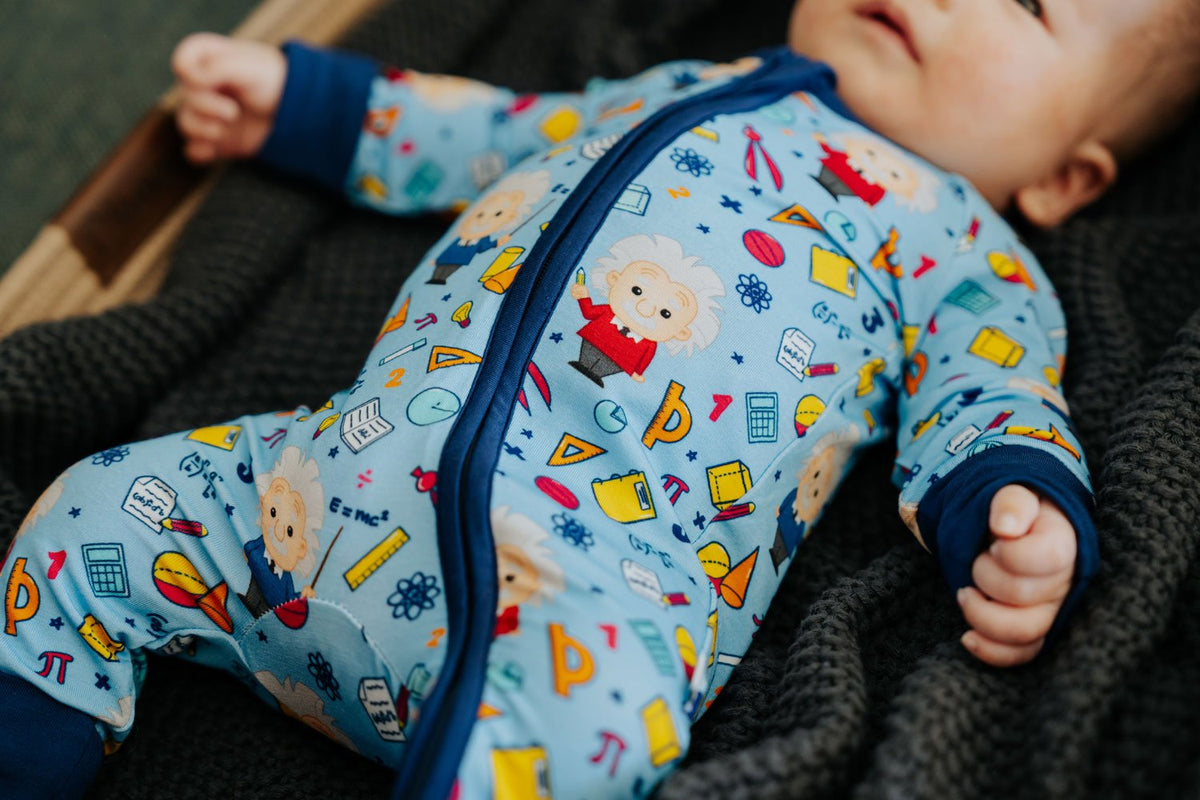
Convertible Rompers are a solid choice here because they're soft, flexible and quick to open when you're doing frequent changes.
Is it Yeast Diaper Rash or Regular Diaper Rash?

This matters because yeast diaper rash often needs antifungal treatment.
Typical Irritant Diaper Rash Often Looks Like:
- Redness on flatter areas (butt cheeks, outer diaper areas)
- Improves with barrier cream and frequent changes
Yeast Diaper Rash Often Looks Like:
- Bright red patches with sharper edges
- Irritation in skin folds
- Small "satellite" red dots outside the main rash
- Doesn't improve much with standard diaper cream alone
If you suspect yeast, it's worth calling your pediatrician. They can recommend an antifungal cream and help you get relief faster.
Common Diaper Rash Triggers (and What to Do)
New Diapers of Wipes
If diaper rash appears right after a switch:
- Try going back to the old brand of diapers
- Choose "sensitive" options (fragrance-free, dye-free)
- Reduce wipe use during flares (water + cloth)
Solids and Acidic Foods
Some babies react to citrus, tomatoes, berries, and other acidic foods. You don't have to ban them forever, but you can:
- Reduce frequency for a bit
- Change quickly after poops
- Use a barrier before meals you suspect might trigger irritation
Cloth Diapers
Cloth can be amazing, but detergent and buildup matter. Try:
- Fragrance-free detergent
- No fabric softener
- Adjusting wash routine if rashes keep coming back
When to Call the Doctor About Diaper Rash
Call your pediatrician if:
- Diaper rash is not improving after 2-3 days of careful home careful home care
- It's getting worse quickly
- Your see blisters, oozing, bleeding, or open sores
- Baby has a fever
- You suspect yeast (especially if it's spreading into folds)
You're not overreacting. Early help can mean a faster fix and a more comfortable baby.
FAQ: Diaper Rash
How long does diaper rash last?
Mild diaper rash often improves in 1 to 3 days with good home care. More stubborn rashes (especially yeast) can take longer and may need medication.
Should I stop using wipes?
Not always, but during active diaper rash, many parents find warm water + soft cloth is gentler. If you do use wipes, choose fragrance-free and use a light touch.
Do I need diaper cream even when there isn't a rash?
If your baby is prone to diaper rash, a thin barrier layer at bedtime or during longer stretches can help prevent irritation.
A Little Pep Talk (Because You Deserve It)
Diaper rash is frustrating, especially when you’re tired and your baby is uncomfortable. But it’s also one of those things that usually responds really well to small, steady habits. Keep it dry, keep it gentle, protect with a barrier, and give that skin some air.
And if you’re building a “softness helps everything” toolkit (same), breathable blankets, swaddles, and easy-change rompers can make those rough days a little easier on both of you.

Made by Moms, For Moms.
At Bam & Stitch we're dedicated to creating clothing as soft, playful, and resilient as the little ones who wear them.




Share:
February: Supporting the American Heart Association for American Heart Month
Hearts, Hugs, and Pajama Snugs: Family Friendly Valentine's Day Ideas for 2026