Updated October 2026
If your little one has eczema, bedtime can turn into a scratch-fest. You've probably already changed the soap, the lotion, and the laundry detergent, and now you're wondering about the pajamas. Bamboo comes up a lot in parent groups, so here's what eczema organizations actually say about fabric, where bamboo fits, and the bedtime habits that matter as much as what your child wears.
Quick Answer: Are Bamboo Pajamas Good for Eczema?
No fabric treats eczema, and research on bamboo specifically is limited. What eczema groups recommend is clothing that is soft, smooth, breathable, and absorbent, without scratchy seams or labels, and they suggest avoiding wool and heavy synthetics. Bamboo viscose checks those boxes: the UK's National Eczema Society notes it is more absorbent than cotton and good at regulating temperature. Many parents find it more comfortable than rougher fabrics. Try one set first, watch how your child's skin does, and follow your pediatrician's treatment plan.
What Makes a Fabric Eczema-Friendly?
Eczema-prone skin is easily irritated by friction, heat, and sweat. That's why most guidance focuses on how a fabric feels and behaves rather than on any one material. Look for:
- A smooth surface. Fibers that rub or prickle can trigger the itch-scratch cycle.
- Breathability. Overheating and sweat are common flare triggers, especially at night.
- Absorbency. Fabric that pulls moisture away keeps skin from staying damp.
- No scratchy extras. The National Eczema Society flags rough seams, scratchy labels, dyes, and fastenings as common problems.
- Easy washing. Clothes need to stand up to frequent washes and the occasional smear of emollient.
How Bamboo Compares to Other Fabrics
Here's how the most common pajama fabrics stack up, based on guidance from eczema organizations.
One honest note on stretch: our NextHug™ Bamboo is 95% bamboo viscose and 5% spandex. That small amount of spandex is what lets pajamas stretch over a wiggly toddler and keep their shape. Some fabric reviews suggest limiting synthetics like spandex for very sensitive skin, so if your child reacts to stretchy fabrics, start with one set and see how it goes.
Why Kids' Pajamas Fit Snug
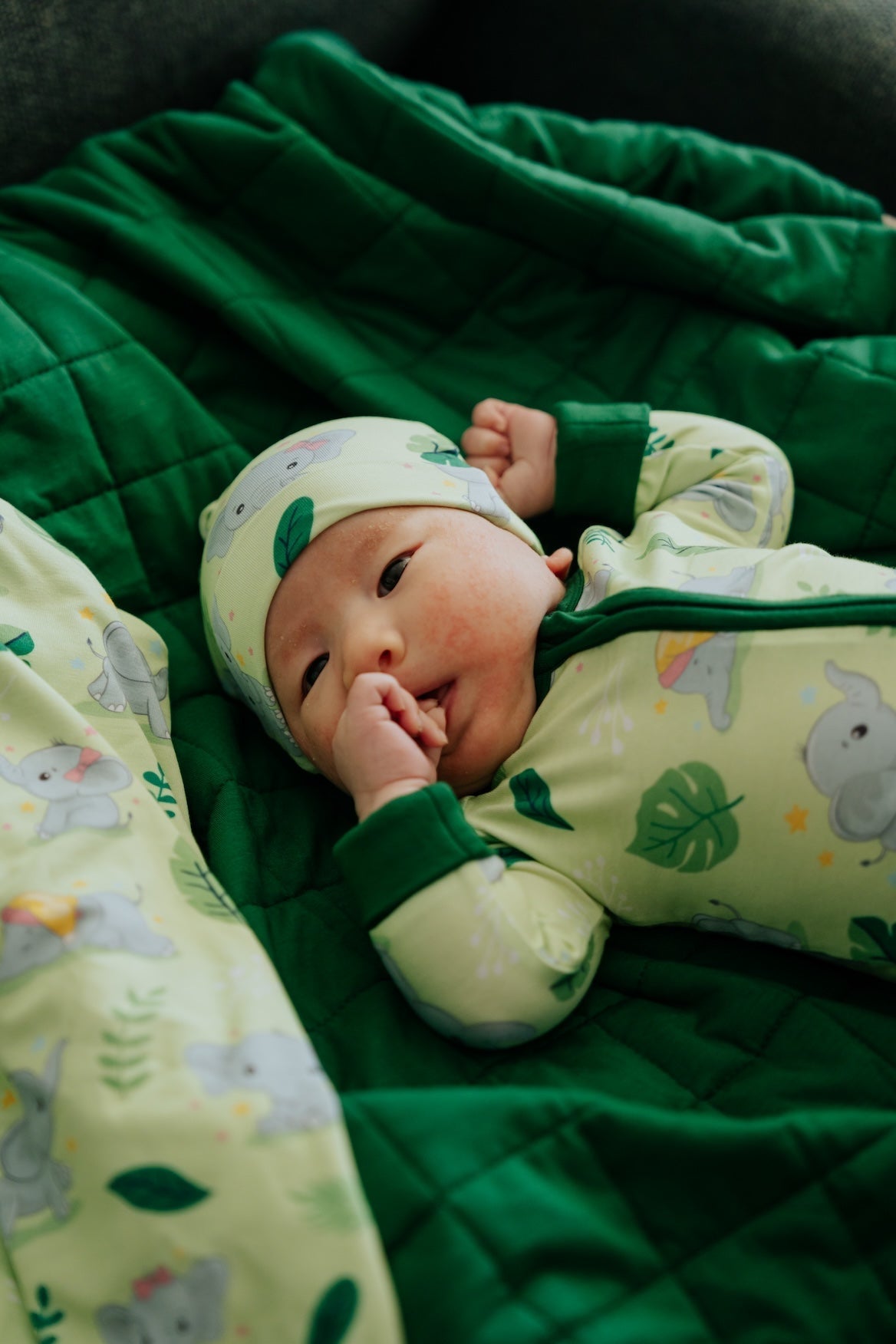
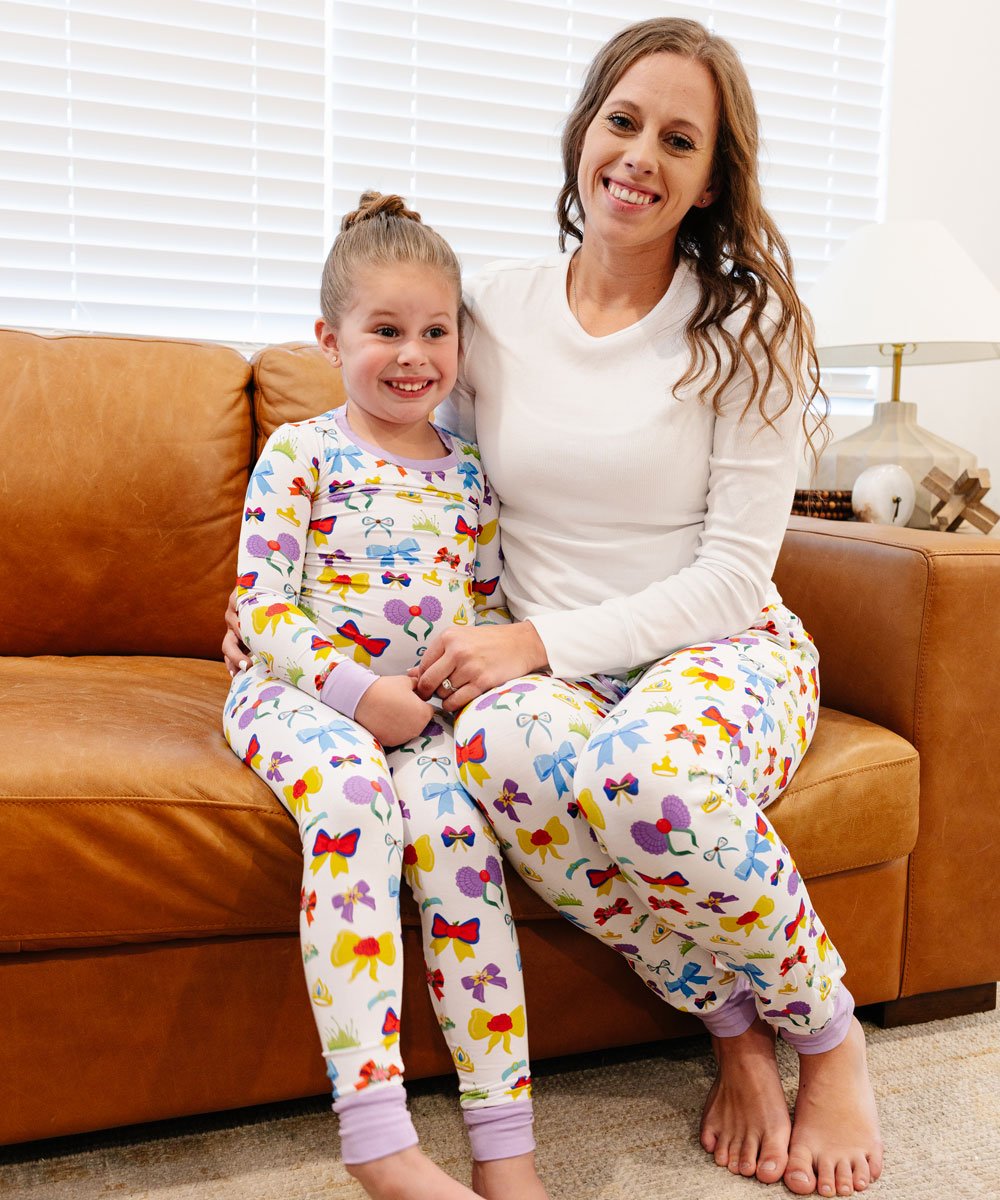
You may see advice to dress children with eczema in loose clothing. That works well for daytime. Sleepwear is different: U.S. safety rules require children's pajamas to be either flame resistant or tight-fitting, according to the Consumer Product Safety Commission. Our pajamas are made to fit snug instead of being treated with chemical flame retardants. A smooth, stretchy fabric helps a snug fit feel comfortable rather than tight or rubbing.

Bedtime Habits That Help Eczema-Prone Skin
Pajamas are one piece of the puzzle. These habits matter just as much:
- Follow your care plan first. Bath, moisturizer, and any prescribed treatments come before pajamas. Ask your pediatrician how long to wait before dressing.
- Keep the room cool. Overheating is a common nighttime trigger, so dress in light layers instead of heavy ones. Our guide to what babies should wear to sleep has a room temperature chart.
- Cover little hands. Night scratching is hard to stop. The fold-over mittens on our convertible rompers cover hands for babies up to size 2T.
- Wash new clothes first. Use a fragrance-free, dye-free detergent, skip fabric softener, and consider an extra rinse. See how to wash bamboo clothing.
- Skip the tags. Our two-piece pajama sets are tagless, so there's nothing scratching the back of the neck.
When to Call Your Pediatrician
Call your child's doctor if the rash is spreading, oozing, crusting, or looks infected, if itching keeps your child up most nights, or if your current routine isn't helping. Clothing can make your child more comfortable, but it isn't a treatment.
FAQ
Is bamboo better than cotton for eczema?
Not necessarily. Cotton is the most common recommendation, and bamboo viscose is a good alternative because it's smooth, breathable, and more absorbent than cotton. Some children are more comfortable in one than the other, so it's worth trying both.
Are bamboo pajamas treated with chemicals?
Bamboo viscose is made by processing bamboo pulp, so look for third-party testing. Our NextHug™ Bamboo is OEKO-TEX® certified, which means it's tested for harmful substances, and our pajamas aren't treated with chemical flame retardants.
Should pajamas for eczema be loose or snug?
Loose clothing is often suggested for daytime. For sleepwear, U.S. safety rules call for snug-fitting or flame-resistant pajamas, so choose a snug fit in a smooth, stretchy fabric that doesn't rub.
The Bottom Line
The best pajamas for eczema-prone skin are soft, smooth, breathable, and free of scratchy tags. Bamboo viscose fits that description and many families love it, but every child's skin is different. Start with one set, keep up with your care plan, and pay attention to what helps your little one sleep through the night.
Shop our pajamas for sensitive skin.
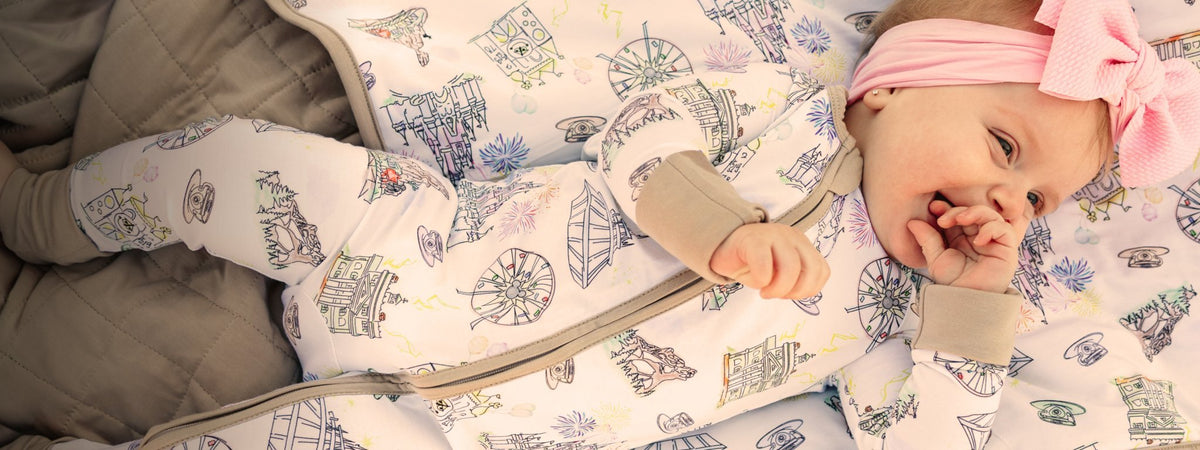
 Main Street Bears Convertible Romper$35.99Shop Now
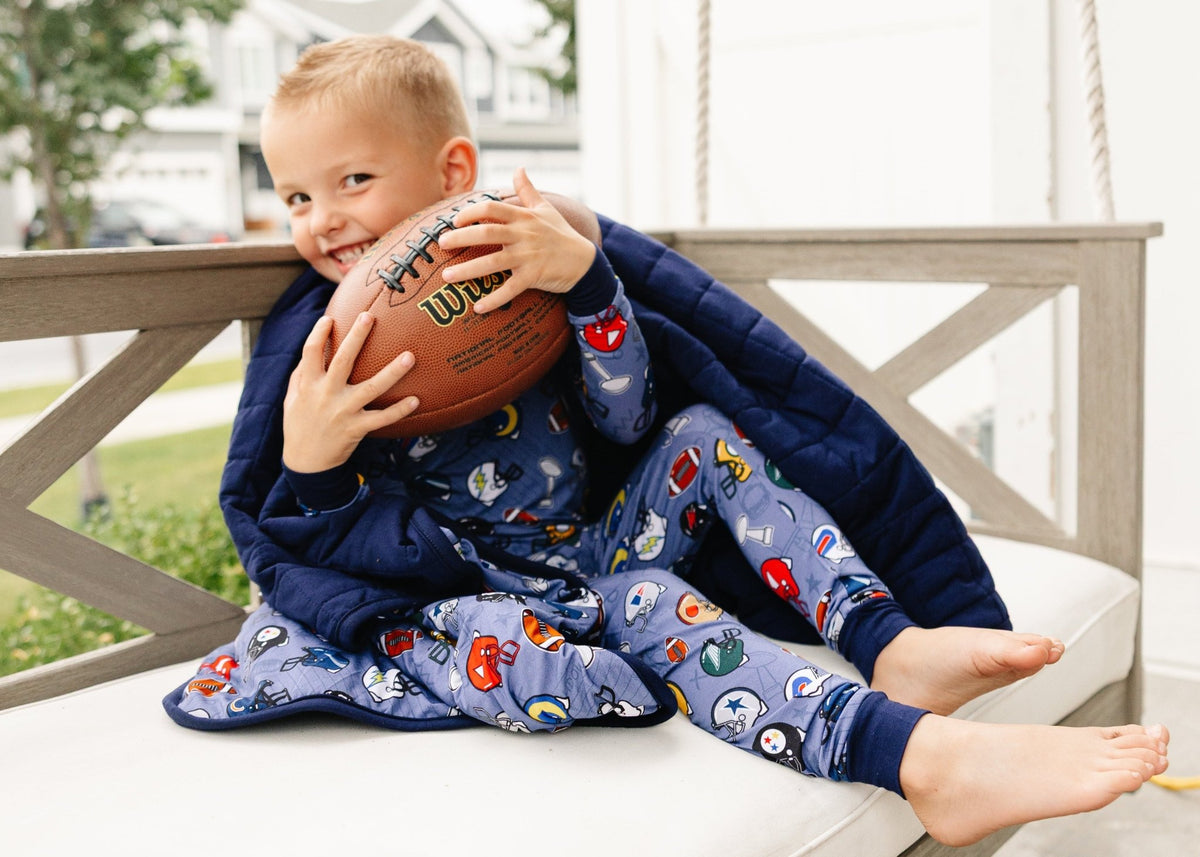
 Sunday Huddle Long Sleeve Pajamas$35.99Shop Now
 Orchid Gardens Swaddle$29.99Shop Now
Sources: National Eczema Society, Clothing and Eczema, Healthline, Eczema Clothing for Children (medically reviewed), U.S. Consumer Product Safety Commission, Children's Sleepwear Regulations. This article is general information, not medical advice. Ask your pediatrician or dermatologist about your child's skin.

Share:
Bamboo Pajama Brands Compared: 5 Small Brands Side by Side (2026)
A Holiday Far, Far Cozier: Meet the Merry Galaxy Collection