

If you've ever stood over the crib at 2 a.m. wondering whether your baby feels too warm or too cool, you are very much not alone. Temperature can be one of those sneaky little parent stressors because babies do not handle temperature changes the same way adults do. In fact, Children's Hospital of Philadelphia notes that babies can lose heat much faster than adults, and premature or low birth weight babies can have an even harder time regulating their temperature.
Quick Answer: When Do Babies Regulate Their Temperature?
The honest answer is that there is not one exact birthday where a switch flips and you never have to think about it again. Newborns need the most help, and temperature regulation gets betters as babies grow. But instead of focusing only a specific age, it is more helpful to focus on safe sleep habits, light layering, and checking your baby for signs that they are too hot or too cold. That is the guidance emphasized by both the American Academy of Pediatrics and the NHS.
Why Babies Have a Harder Time with Temperature
Babies are still adjusting to life outside the womb, and their bodies are simply not as efficient at handling temperature changes yet. According to CHOP, a baby's body surface area is much larger relative to their size than an adult's, which means they lose heat more quickly. Babies who are born early or at a low birth weight may have an even tougher time because they usually have less body fat and may be too immature to regulate temperature well at first.
This is why this topic matters so much for sleep. Overheating is a safe-sleep concern, and being too cold can also make babies use extra energy to stay warm. CHOP notes that cold stress can increase the risk of sleep-related death.
How to Tell if Your Baby is Too Hot or Too Cold
When it comes to sleep, the clearest red flags are usually signs of overheating The American Academy of Pediatrics, CDC, and NICHD all recommend watching for signs like sweating, flushed skin, or a chest that feels hot to the touch. If you notice those signs, remove a layer and make sure your baby's sleep space is not too warm. Hats should also stay off indoors once you are home from the hospital.
On the flip side, try not to panic over cool hands or feet alone. The AAP notes that cool or slightly bluish hands and feet can be normal in healthy newborns, especially early on, so they're not the best clue that your baby may need more layers. A simpler rule of thumb is to dress your baby in about one more layer than you would wear to feel comfortable in the same room. If your baby seems chilly overall, add one light layer instead of heavy bundling.
How to Dress your Baby for Sleep


A simple place to start is the "one more layer" rule. The AAP says babies generally only need one more layer than an adult would wear in the same environment. That keeps things easy and helps you avoid overthinking every nap and bedtime.
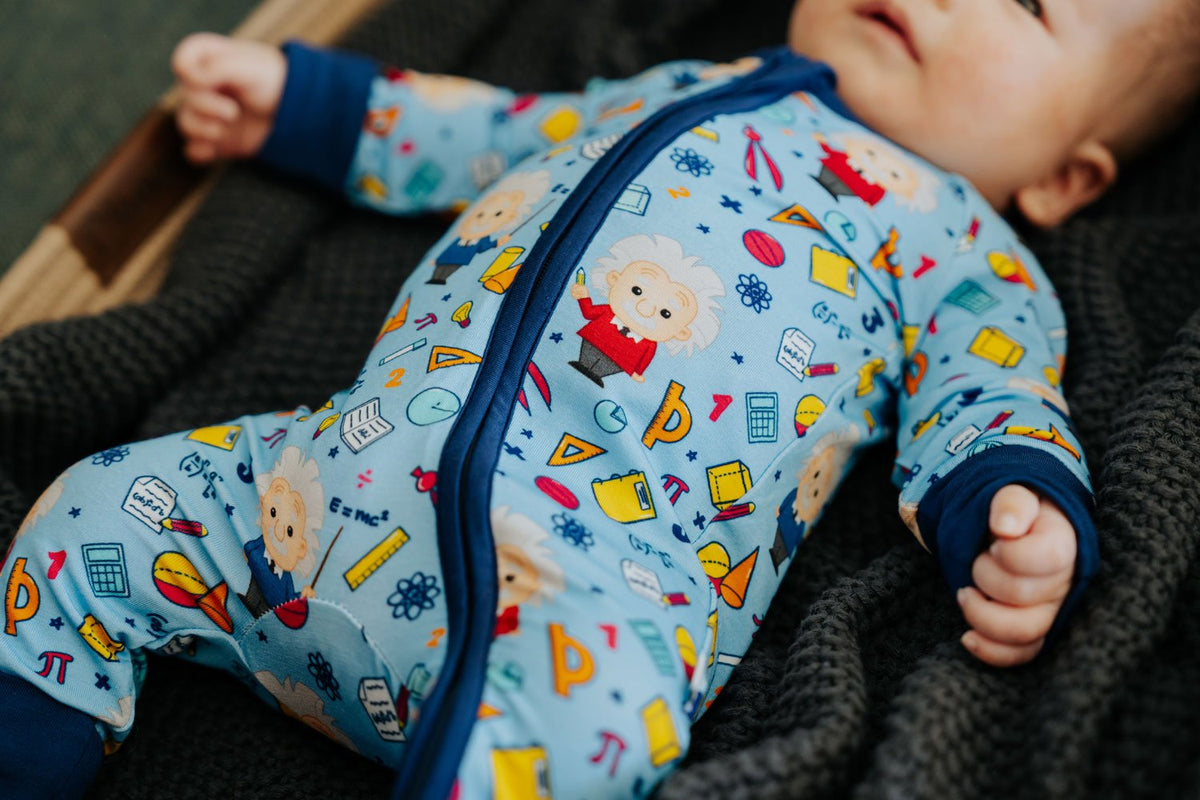
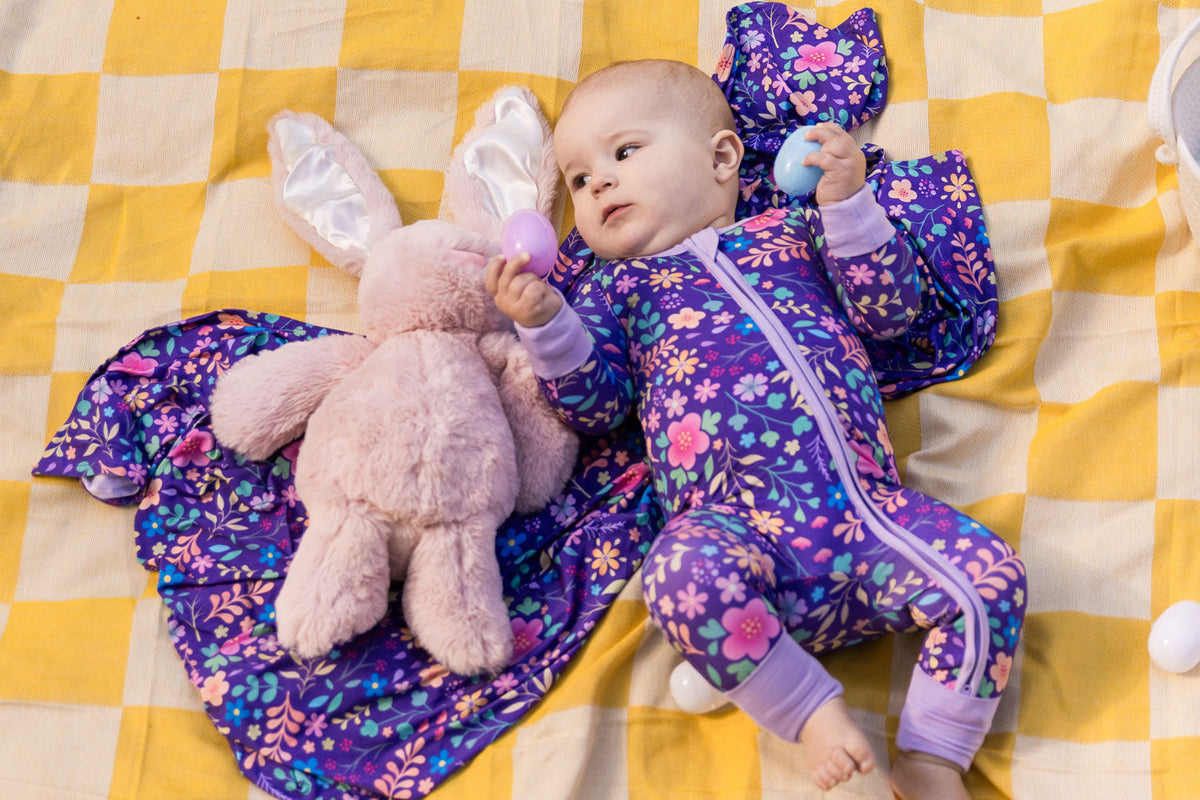
For many families, that can look like a diaper and a lightweight sleeper, or a soft Convertible Romper if you want easy changes and cozy coverage. As your baby grows, breathable bamboo pajamas for toddlers can help make bedtime feel comfy without piling on heavy layers.
What Room Temperature is Best for Baby's Sleep?
When it comes to the ideal temperature for your baby's sleep, the rule of thumb is simple: keep your baby's room at a temperature that feels comfortable for an adult. Major sleep guidance focuses less on hitting an exact number and more on avoiding overheating. A good starting point is dressing your baby in light sleepwear and no more than one extra layer than you would wear in the same room.
If the room feels warmer than usual, go lighter with the layers. If it feels cooler, add one light layer instead of heavy bundling. A room thermometer can still be helpful, especially during weather swings or when the heat or AC is inconsistent, but the bigger goal is keeping the sleep space comfortable and watching for signs your baby may be too warm, like sweating or a chest that feels hot to the touch.
What About Swadding?
Swaddling can still be part of your routine in the newborn stage, but it does not replace safe temperature checks. If you swaddle, your baby should always be placed on their back, the swaddle itself should not be too tight, and swaddling should stop as soon as your baby shows signs of trying to roll.
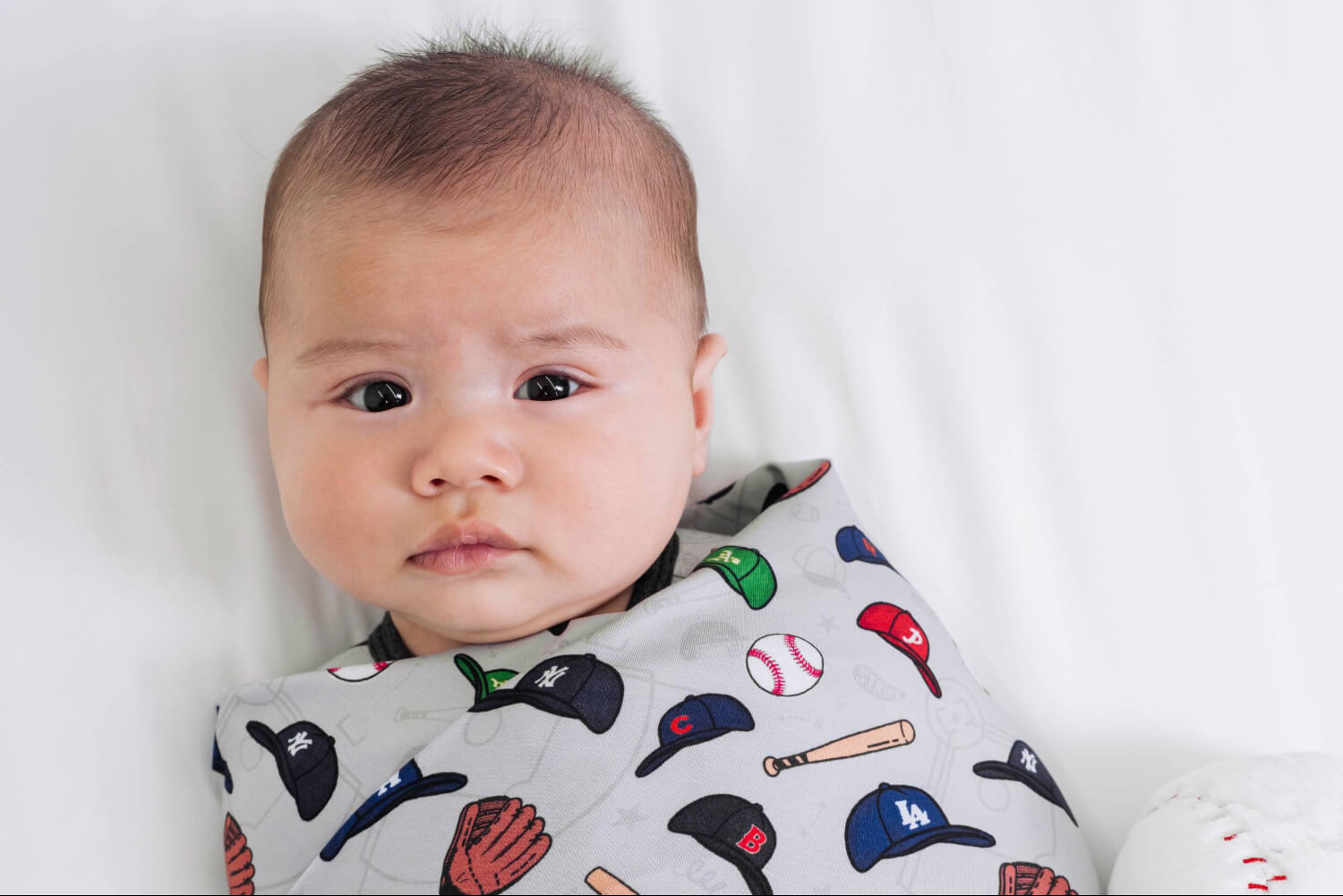
If swaddling is part of your bedtime routine, lightweight Swaddles can be a cozy option for those early weeks. Once your little one grows out of that stage, soft Blankets are best saved for supervised snuggles, stroller walks, and couch cuddles rather than infant sleep.
A Quick Note for Newborns and Preemies
Newborns need the most support when it comes to temperature, and babies who are born premature or at a low birth weight may need even more careful monitoring. CHOP notes that preterm and low birth weight babies may be too immature to regulate their own temperature well, even in a warm environment.
If your baby is very young, was born early, has been sick, or just seems off, it's always worth checking with your pediatrician. And if your baby is younger than 23 months and has a rectal temperature of 100.4°F or higher, call your pediatrician right away.


FAQ
When do babies regulate their temperature?
Babies get better at handling temperature changes as they grow, but newborns need the most support. There is not one exact age parents can stop thinking about it altogether. The more practical approach is to focus on safe sleep, light layers, and checking in when your little one seems too warm or too cool.
When can babies regulate their body temperature?
This happens gradually, not all at once. Babies become better at regulating body temperature over time, but in the early months they still rely a lot on their environment and on caregivers to help keep them comfortable. That is why sleep guidance focuses more on room comfort, light layering, and watching for overheating than on one exact milestone.
How do I know if my baby is too hot while sleeping?
The clearest signs are usually sweating, flushed skin, damp hair, rapid breathing, or a chest that feels hot to the touch. If you notice those signs, remove one layer and make sure the room feels comfortable, not warm or stuffy.
What room temperature is safe for a baby?
The simplest rule of thumb is to keep the room at a temperature that feels comfortable for an adult. Instead of chasing one perfect number, focus on avoiding overheating and dressing your baby in light sleepwear with no more than one extra layer than you would wear.
When do babies start sweating?
There is not a simple age-based milestone parents need to memorize here. What matters most is that sweating during sleep is treated as a sign your baby may be too warm, so it's a good cue to remove a layer and reassess the room.
Do premature babies have a harder time regulating temperature?
Yes. Premature and low birth weight babies can have a harder time regulating temperature because they often have less body fat and may still be too immature to manage temperature changes well on their own.
Are cold hands and feet normal in babies?
Often, yes. Cool or slightly bluish hands and feet can be normal in healthy newborns, especially early on, so they are not the best way to judge whether your baby needs another layer. It's better to look at the bigger picture and avoid bundling on hands and feet alone.
Should babies wear hats to sleep indoors?
No. Once you are home from the hospital, hats should stay off during indoor sleep because they can contribute to overheating.
We're Your Baby Experts
So, when do babies regulate their temperature? It gets better with age, but there is no one exact milestone where parents can completely stop paying attention. The best approach is still the simple one: dress your baby lightly, keep the room comfortable, watch for signs of overheating, and adjust by one light layer at a time.
For more helpful parenting tips and everyday baby care guidance, explore the Bam & Stitch blog. And when you're ready to shop soft, seasonless essentials for your little one, discover our collection of bamboo babywear.

Made by Moms, For Moms.
At Bam & Stitch we're dedicated to creating clothing as soft, playful, and resilient as the little ones who wear them.

Share:
Batwing Swaddle Technique for Fussy Babies
The Ultimate Newborn Skin Care Guide