
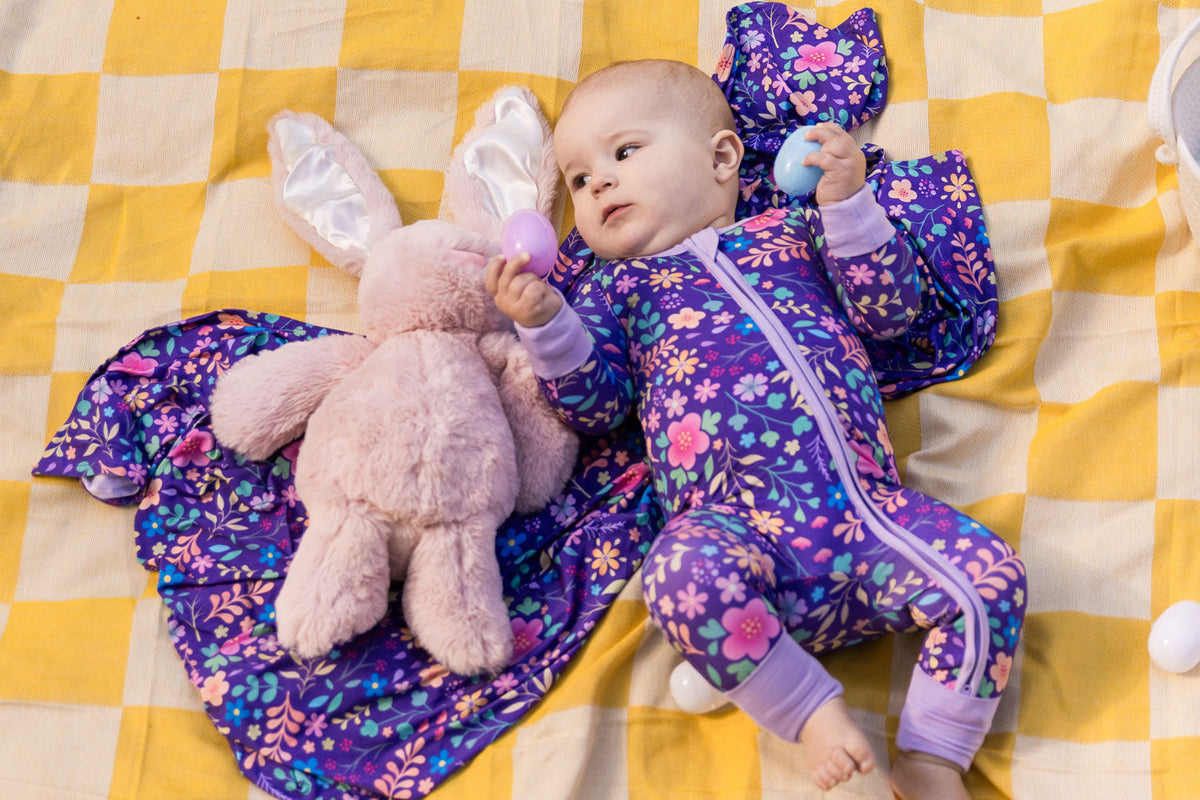
September's Baby Safety Month is a helpful reason to revisit the routines around a baby's sleep. The recommendations sound simple, but real life includes late-night feeds, travel, caregiver handoffs, and the exhaustion that makes any routine harder to remember.
This is not about a picture-perfect nursery or judging another family's nights. It is about making the safest available choice each time a baby sleeps. The guidance below applies to babies younger than 1 year and reflects current U.S. recommendations. Follow your pediatrician's individual guidance when your baby's health or development calls for different care.
Baby Safety Month Quick Read: The Safe-Sleep Basics
For every nap and overnight sleep, place baby on their back on a firm, flat, level surface in a safety-approved crib, bassinet, play yard, or bedside sleeper. Use only a fitted sheet. Keep loose bedding and soft objects out of the sleep space, and choose appropriately sized sleep clothing or a non-weighted wearable blanket instead. These basics are consistent across current federal safe-sleep guidance.
Start With the Right Sleep Surface
Begin with a product made and approved for infant sleep. The mattress should be firm, flat, level, and covered by its fitted sheet. Assemble and use the crib, bassinet, play yard, or bedside sleeper according to the manufacturer's instructions.
Adult beds, couches, armchairs, hammocks, and inclined products are not safe substitutes. Swings, rockers, and car seats are not for routine sleep either. If baby falls asleep there, move them to an approved flat sleep surface as soon as practical. The CPSC Safe Sleep guidance also recommends checking products for recalls and keeping the sleep space clear.
Place Baby on Their Back for Every Sleep
Put baby down on their back for naps and nighttime sleep, even when another position seems more comfortable. Side sleeping is not considered a safe alternative, and wedges or positioners should not be used to hold a baby in place.
Once a baby can roll from back to stomach and stomach to back independently, continue starting every sleep on the back. You do not need to keep turning them over, but the crib should remain bare so they have room to move without soft items near the face.
Let a Bare Crib Be a Bare Crib
A safe crib can look surprisingly empty. That is the point. Other than baby and a fitted sheet, leave out pillows, quilts, loose blankets, stuffed animals, bumpers, comforters, sleep positioners, and weighted items. Decorative pieces can live elsewhere in the nursery until they are age-appropriate.
Be cautious with products that claim to prevent SIDS or make an unsafe setup safe. Home monitors and sleep gadgets do not replace the recommended environment unless a healthcare professional prescribes a device for a specific medical reason.
Choose Sleepwear Instead of Loose Blankets
For warmth, use appropriately sized sleep clothing or a non-weighted wearable blanket instead of loose bedding. Keep baby's head and face uncovered, dress for the room, and watch for overheating, including sweating or a hot chest. Extra layers are not automatically better.
Sleepwear does not make the other steps optional, and no fabric prevents sleep-related risks on its own. Clothing should not gather near the face or restrict movement.
Bam & Stitch's Convertible Rompers are a one-piece bamboo-viscose option. Use the Bam & Stitch sizing guide to choose an appropriate fit. Swaddling does not reduce SIDS risk; stop as soon as baby shows signs of trying to roll, and never use weighted swaddles or blankets.
Room-Share Without Bed-Sharing
Keeping baby's separate sleep space in your room can make nighttime care easier. Current guidance recommends room-sharing, ideally for at least the first six months, without sharing the same bed.
If you bring baby into bed for feeding or comfort, return them to their own space before you sleep. Avoid dozing with a baby on a couch or armchair. When exhaustion is high, planning the transfer before a feed can make the safer next step easier.

Plan for Real-Life Sleep Moments
Before travel or a family visit, decide where baby will sleep and bring an approved portable option if needed. A folded blanket, adult mattress, or cushioned lounger should not become an improvised sleep space.
After a car ride or stroller walk, transfer a sleeping baby to a firm, flat surface when you arrive. Sitting devices are designed for transportation or awake use, not routine sleep.
Make the Routine Easy for Every Caregiver
Grandparents, babysitters, partners, and daycare providers may have learned different advice. Give a quick walkthrough: show the empty sleep space and explain that baby starts every sleep on the back.
Keep the routine short enough to repeat: approved surface, fitted sheet, back to sleep, clear crib, appropriate sleepwear. Consistency matters more than a complicated checklist, especially during middle-of-the-night handoffs.
A Safer Setup, One Sleep at a Time
Baby Safety Month is a reminder that useful safety habits can be simple. A clear sleep space, a firm and level surface, back sleeping, appropriately fitted sleepwear, and a shared caregiver plan create a routine that is easier to repeat when everyone is tired.
No family handles every night perfectly. Reset when needed, ask questions, and involve your pediatrician when your baby has individual needs. For one-piece options, explore the Bam & Stitch Newborn Collection while keeping current safe-sleep guidance at the center of every nap and bedtime.
Baby Safe-Sleep FAQ
What should be in a baby's crib?
For a baby younger than 1 year, the sleep space should contain the baby and a fitted sheet made for the firm mattress—nothing else. Keep pillows, blankets, toys, bumpers, positioners, and weighted products out.
What is the safest sleep position for a baby?
Place baby on their back for every nap and nighttime sleep. If baby can roll independently in both directions, keep placing them down on their back and leave the crib clear so they can move freely.
What should a baby wear to sleep?
Choose appropriately sized sleep clothing or a non-weighted wearable blanket suited to the room. Keep the head uncovered, avoid overdressing, and check your baby's chest or signs such as sweating rather than judging comfort only by hands or feet.
Can a baby sleep in a car seat or swing?
Car seats, swings, rockers, and similar sitting devices are not recommended for routine sleep. If baby falls asleep in one, move them to a safety-approved, firm, flat sleep surface as soon as practical.
When should swaddling stop?
Stop swaddling when baby begins showing signs of trying to roll, which can happen earlier than many parents expect. Always place a swaddled baby on their back, keep the face uncovered, and avoid weighted swaddles.




Share:
5 Steps to Shift Your Kids Back to a School-Year Bedtime
Why Toddler Pajamas Twist or Bunch During Sleep